
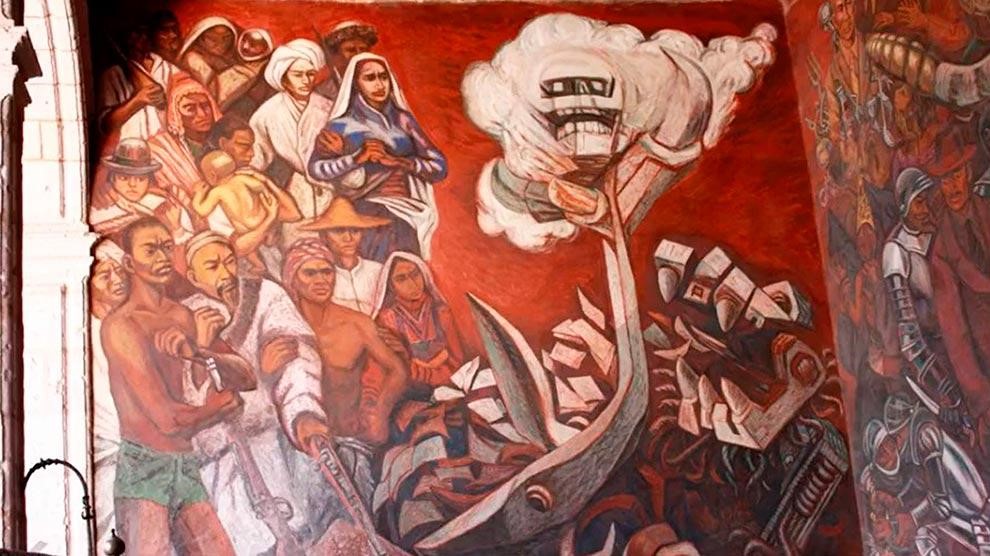
“Rojo y Negro” Spanish for “Red and Black” is more than a color palette; it is a powerful visual language deeply embedded in Latin American artistic expression. These two colors have long symbolized passion, struggle, identity, and resistance across cultures and generations.
In Latin American art, red often represents:
- Life, blood, and sacrifice
- Passion and revolution
- Cultural vitality
Black, on the other hand, symbolizes:
- Strength and resilience
- Mourning and history
- Depth and identity
Together, they create a striking contrast that commands attention and evokes strong emotional responses.
This bold aesthetic is prominently seen in movements like Mexican muralism, led by artists such as Diego Rivera, whose works often explored social justice, labor struggles, and indigenous heritage. The use of red and black in such works amplifies the emotional intensity and political message.
“Rojo y Negro” is not confined to murals it appears in:
- Indigenous textiles and patterns
- Contemporary abstract paintings
- Political posters and street art
What makes this style so impactful is its ability to communicate complex cultural narratives through minimal color. It is bold, unapologetic, and deeply rooted in history.
In modern contexts, “Rojo y Negro” continues to evolve, bridging traditional symbolism with contemporary themes. It stands as a testament to the enduring strength and creativity of Latin American identity.