
Peasant scenes and landscapes have long held a significant place in art history, offering a window into the daily lives, struggles, and quiet beauty of rural communities. Particularly prominent in the 19th century, these works reflect a deep appreciation for simplicity, labor, and the natural world.
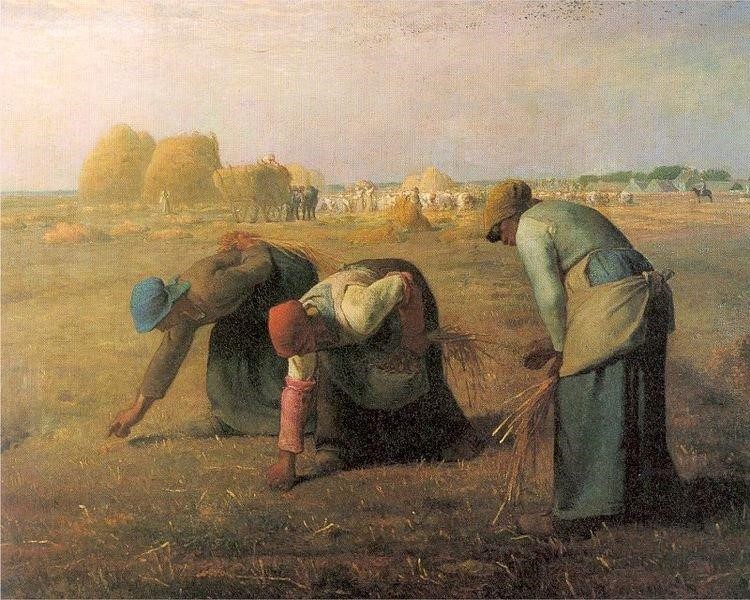
Artists like Jean-François Millet brought dignity and humanity to subjects that were often overlooked. His iconic painting The Gleaners portrays women gathering leftover crops, highlighting both the hardship and resilience of rural life.
These artworks are characterized by:
- Soft, natural color palettes
- Expansive landscapes and open skies
- Focus on agricultural labor and daily routines
- Emotional depth rooted in realism
Rather than romanticizing rural life, many of these paintings present it with honesty—capturing both its beauty and its challenges. The figures are often integrated seamlessly into the landscape, emphasizing the connection between humans and nature.
Peasant scenes also reflect broader social and economic realities of their time, offering insight into class structures, labor conditions, and cultural traditions.
Today, these works continue to resonate, reminding us of a slower, more grounded way of life. In a fast-paced modern world, they invite us to pause, reflect, and reconnect with the essence of simplicity and human resilience.